
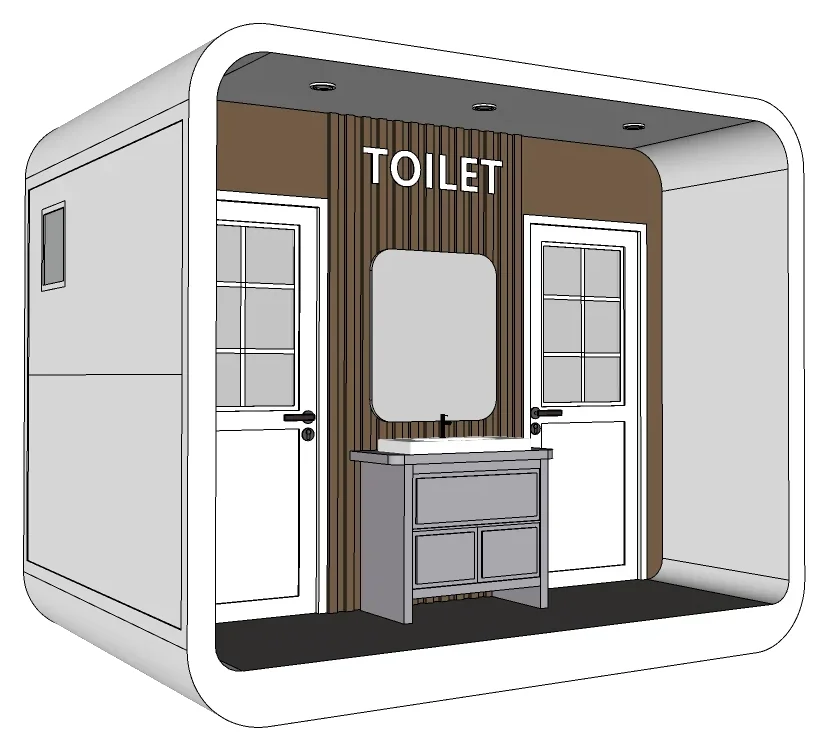
Portable toilet maintenance begins by identifying the installed toilet system and assigning responsibility for inspection, cleaning, replenishment, and waste servicing. A chemical-tank unit, a flushing cabin, and a mains-connected facility do not have identical needs. Set the plan from the supplied equipment and site conditions rather than using one generic service interval.
For event organizers, construction managers, and other site operators, the practical goal is dependable availability. A written service plan should explain what staff check, which tasks require a service contractor, how access is maintained, and when a facility must be closed. It should also record how problems are escalated and resolved.
Identify the system before setting the routine
Obtain the equipment description, operating instructions, and service requirements for the actual unit. Confirm how water is supplied, how waste is collected or discharged, and which electrical or mechanical equipment is fitted. The word "portable" describes movement; it does not identify a particular waste-handling system.
List the components that need attention: toilet, basin or other specified handwashing provision, water supply, waste arrangement, ventilation if fitted, lighting, locks, and consumable holders. Identify any access panels or isolation points and who is permitted to use them. Retain the relevant instructions where the operating team can find them.
Record the unit's location, identifier, and responsible contacts. A fleet or multi-zone site benefits from a separate service record for each unit. Otherwise a completed cleaning entry for one area may be mistaken for confirmation that every facility is ready for use.
Base portable toilet servicing on use and conditions
Agree an initial service schedule with the equipment provider and, where required, the waste-service contractor. Consider visitor or worker numbers, operating hours, busy periods, weather exposure, water use, and the specified waste arrangement. Do not infer an appropriate pumping or cleaning interval from the cabin dimensions alone.
Distinguish three activities. Routine checks establish whether the facility is usable. Cleaning and replenishment restore hygiene and supplies. Specialist waste servicing addresses collection, removal, or system maintenance where applicable. One contractor visit may cover several activities, but the scope should say so explicitly.
Monitor the first operating period and adjust the plan when records show recurring shortages, queues, odors, or early service needs. A schedule should respond to evidence from the site. If the facility repeatedly reaches its operating limits, review capacity and provision as well as increasing visits.
Account for changes in demand. A quiet setup day, a public event day, and overnight operation may require different inspection patterns. Assign responsibility for notifying the service provider when attendance, staffing, or operating hours change. A standing booking is useful only if it still matches the current operation.
Use a short portable toilet maintenance checklist
Before opening and during scheduled inspections, check the condition users actually encounter. Keep the checklist concise enough that staff can complete it consistently, with space for the time, unit identifier, initials, and action taken. Record defects rather than simply checking a box marked "clean."
- Approach and entrance: clear route, stable placement, usable threshold, and no unsafe pooling or obstruction.
- Door and privacy: functioning latch, lock, hinges, and occupancy indication where fitted.
- Fixtures and surfaces: visible cleanliness, damage, leaks, and proper operation within the staff's authorized checks.
- Supplies: required paper, soap, water, and other specified consumables available.
- Services: no visible overflow, leakage, electrical damage, or other condition requiring isolation or specialist attention.
- Follow-up: issue reported, temporary action recorded, and closure or reopening decision assigned.
Do not ask untrained staff to open waste systems or troubleshoot equipment beyond their instructions. The inspection checklist should identify when to stop and contact the responsible service provider. Visible leakage or an unsafe entrance is a reason for action, not a note to leave until the next routine visit.
Organize portable restroom cleaning safely
Specify who performs cleaning, the approved products, required protective measures, and how the unit is temporarily taken out of service. Follow the equipment and cleaning-product instructions. Different surfaces and components may need different methods, so aggressive pressure washing or mixing cleaning chemicals should not be treated as a general solution.
Give cleaners access to appropriate supplies and a defined process for used materials and waste. Keep equipment used for sanitary areas separate as required by the site's hygiene procedures. Replenishment belongs in the same visit plan: a clean room without the required handwashing supplies is still an operational problem.
Inspect the result before reopening. Check for slippery floors, remaining residues, missing consumables, and components disturbed during cleaning. Repeated odors should prompt a check of cleaning effectiveness and the specified service system, rather than being covered with fragrance. Refer unresolved technical issues to a competent provider.
Arrange waste servicing and keep access available
Portable toilet waste disposal must follow the applicable local requirements and the installed system's service procedure. Where collection or pumping is needed, use an appropriately qualified or authorized provider and confirm the lawful disposal route. Do not discharge waste to ground, stormwater systems, or an unapproved connection.
Show the service provider the site layout before booking. Confirm vehicle access, gates, working hours, safe service positions, and restrictions around pedestrians or construction activity. A unit may be easy for visitors to reach while being inaccessible to the equipment needed to service it.
Document who places orders, who receives the contractor, and what confirms completion. Keep the applicable service and disposal records. Include an escalation contact for missed visits or unexpected demand. Before moving a unit, confirm the preparation and waste-handling steps required by its supplier and service provider.
For sites with several entrances, give the contractor the correct gate and on-site contact. Update those details when construction phases or event boundaries change.
Confirm the supplied cabin and ongoing service scope
SunlitTec's outdoor mobile toilet provides a cabin concept for temporary applications such as events and construction sites. Confirm the exact toilet, handwashing provision, water supply, and waste arrangement in the specification. Do not assume a chemical tank, flushing system, or pumping service is included.
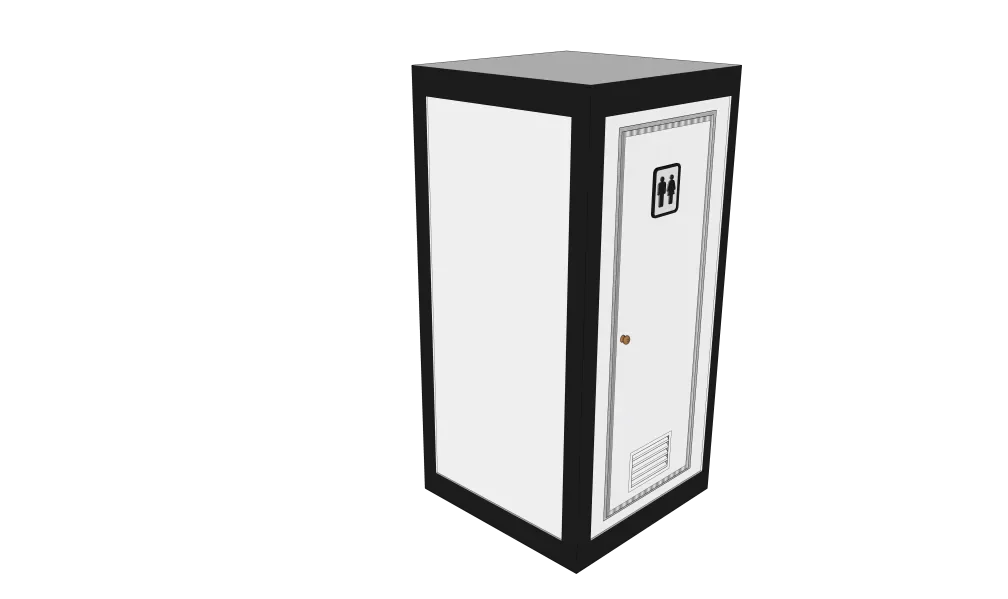
Use SunlitTec's model-specific configuration review to clarify utility interfaces and the documentation supplied with the proposed unit. Ask what the owner must arrange locally. Buying a cabin and contracting ongoing portable toilet servicing are separate responsibilities unless the agreed scope expressly combines them.
The public and commercial applications provide context for matching a SunlitTec inquiry to the intended site. Keep the operating plan specific: quantity, usage, season, access, and service responsibilities matter more than a broad application label. Request maintenance information before placing an order, not after the first service problem.
Conclusion
A portable toilet maintenance plan should identify the system, separate routine checks from specialist work, and respond to actual use. Clear responsibilities, accessible servicing, and documented follow-up help operators keep facilities usable. Confirm both the product scope and the local service arrangement before deployment.
Frequently Asked Questions
How often should a portable toilet be serviced?
The interval depends on the system, usage, operating period, conditions, and applicable requirements. Agree an initial plan with the relevant providers, monitor performance, and adjust it when demand or recorded problems show that the arrangement is insufficient.
Does cleaning replace waste servicing?
No. Cleaning addresses surfaces, fixtures, and supplies. Waste collection or system servicing, where required, addresses a different task. Confirm which activities each provider performs and how completion is recorded.
What should happen when a unit leaks or overflows?
Prevent further use, restrict access as appropriate, and contact the responsible service provider. Follow the site's incident procedures. Staff should not attempt waste-system repairs or cleanup beyond their training, equipment, and authorized instructions.
Is maintenance included when purchasing a mobile toilet cabin?
Only if the agreement explicitly includes it. Ask which operating instructions, spare-part information, and service support are provided, and which cleaning, consumable, and waste-service arrangements the owner must establish locally.
To discuss a SunlitTec unit, send the operating and service brief with the location, quantity, expected use, available utilities, and proposed waste arrangement.