
The central difference in modular homes vs manufactured homes is the construction and approval framework, not the exterior style. In the United States, manufactured housing follows the federal HUD construction framework, while modular housing generally follows the applicable state building framework. Both can involve factory production and site installation, which is why photographs alone rarely settle the comparison.
For a developer, accommodation operator, or individual buyer, the distinction affects which documents to request and who reviews the building. It can also influence site eligibility, financing, insurance, and installation responsibilities. Establish the building’s actual classification early, then evaluate the proposed model and parcel together. A product advertised as prefab needs further verification before it belongs in either category.
Start with the code pathway
Manufactured housing is a specific federal category with construction requirements administered through HUD. Modular housing uses a different route, with state requirements and local responsibilities that vary by location. Do not use the terms interchangeably in an inquiry, permit application, loan discussion, or insurance request. The receiving organization may understand them as legally different building types.
Maryland’s official classification guidance illustrates the distinction: it describes state-regulated modular buildings separately from federally regulated manufactured homes. It also explains that a permanent foundation does not, by itself, distinguish the two. Use the guidance to understand the questions, then obtain the requirements that apply to your destination rather than copying Maryland’s procedure elsewhere.
The practical first step is to ask the supplier which construction framework the offered building follows and which documents substantiate that answer. “Built to international standards” or “suitable for America” does not identify a usable approval route. Request the specific model, design revision, responsible manufacturer, applicable certification information, and scope of any third-party review.
Compare the physical features carefully
A manufactured home is built on a permanent chassis under the federal definition. Modular buildings can have differing transport and structural arrangements. Wheels, steel framing, or a rectangular form are not enough to determine legal classification. Temporary transport equipment and a permanent building chassis also need to be distinguished when reviewing drawings or delivery photographs.
Exterior cladding, interior finishes, bathrooms, and attractive roof forms can overlap across categories. A building with a residential appearance may still lack the documentation needed for your proposed use. Conversely, an unfamiliar factory-built appearance does not automatically establish poor construction. Review the applicable assembly and evidence rather than allowing visual preferences to substitute for a technical assessment.
Room size is another separate question. Compare usable dimensions after walls, services, and finishes are included. Check circulation, bathroom access, storage, and the needs of the intended occupants. Code classification helps determine the review framework; it does not establish that a particular layout serves a family, resort guest, or staff accommodation program well.
Ask which identification and records apply
Certification labels and their supporting documents should match the actual building offered. Maryland’s guidance describes different labels for its modular program and HUD-regulated manufactured homes. That is an example of why the buyer should verify the applicable identification system with the destination authority. A generic company certificate cannot replace evidence tied to the relevant unit and construction pathway.
Keep a record of the model designation, approved drawings where applicable, installed equipment, document revisions, and any conditions attached to acceptance. If a layout or component changes, ask whether further review is necessary. An earlier document may describe a different assembly, and an approval for one location or occupancy may not answer the next project’s requirements.
For imported or unfamiliar building systems, establish what the local reviewer needs before placing an order. Ask whether the proposed factory inspection, concealed-work records, electrical equipment, and other technical documentation can support the intended review. This is a coordination question for the authority and qualified professionals; a category name cannot settle it in advance.
Review the parcel and installation separately
A building’s construction classification does not provide permission to put it on a particular parcel. Zoning, land use, setbacks, access, utility provision, and the proposed occupancy remain important. A residence, short-term lodging unit, and commercial staff facility may follow different requirements even where the same physical building appears attractive for all three uses.
Discuss the foundation and anchorage with a qualified local engineer. Provide the building’s current support and connection information alongside site conditions and required loads. Confirm who handles delivery, placement, connections, and remaining work. Avoid assuming that factory construction transfers responsibility for drainage, foundations, or utility approval to the building supplier.
For multiple units, consider shared infrastructure and the full site operation. Access routes, wastewater arrangements, fire-service needs, and accessible circulation can affect the project before room layouts are finalized. Record these requirements early so the selected building type remains compatible with the overall development rather than being assessed as an isolated object.
Check financing and insurance before a deposit
Ask the intended lender and insurer how they classify the exact building and proposed ownership arrangement. Discuss the land, permanent installation, documentation, and intended use together. Avoid relying on broad claims that one category automatically qualifies for a particular loan or that another must lose value. Acceptance and terms depend on the institution and the actual transaction.
Request written confirmation of any conditions that affect your purchasing decision. These may include acceptable construction records, foundation evidence, title arrangements, or inspections. Bring unresolved questions back to the project team before paying for an incompatible building or commissioning site work. Financing approval, planning permission, and building compliance are related decisions, but they remain distinct.
Evaluate SunlitTec products without assuming classification
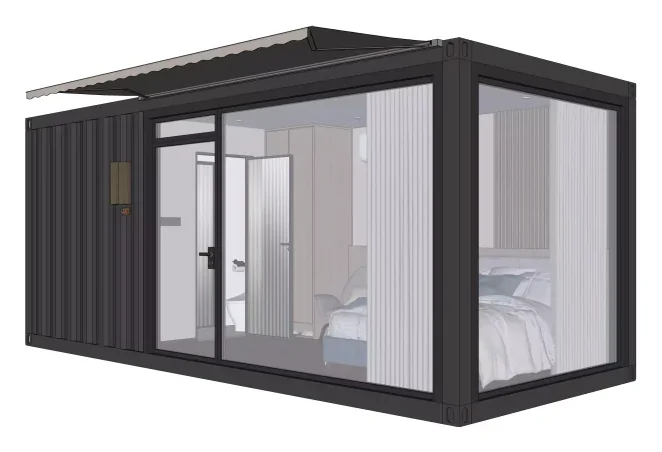
Our building product families include compact cabins and several container-format or expandable options. We use these categories to organize physical products. They do not establish that a model is HUD-certified manufactured housing or accepted under a particular US modular building program. That status must be demonstrated for the proposed model and destination.
Review our container-house formats to identify a physical starting point, then list the documentation needed for your local review. Our customization information can help frame questions about layout and interfaces. Any requested change should be checked against the selected model, technical requirements, and written supply scope before it becomes part of an order.
Conclusion
Comparing modular and manufactured homes starts with the governing construction pathway and model-specific evidence. Foundation type, appearance, and factory production alone cannot resolve the distinction. Confirm the classification, parcel eligibility, installation scope, and financing requirements before selecting a building. That sequence helps the project team ask precise questions and avoid incompatible assumptions.
Frequently asked questions
Are modular and manufactured homes both factory built
Both involve factory production, but they follow different construction frameworks. Factory location alone does not determine the building’s legal category.
Does a permanent foundation make a home modular
No. Manufactured homes may also use permanent foundations. Check the construction classification and supporting documentation rather than relying on the foundation alone.
Is a mobile home the same as a modular home
The terms should not be treated as equivalent. Ask the supplier and local reviewer to identify the actual building category and applicable requirements.
Does a prefab product listing prove HUD certification
No. Certification needs applicable evidence for the actual product. A prefab label or general company certificate does not establish it.
Tell us the destination, intended occupancy, preferred model, quantity, and documents requested by your local reviewer. Discuss your building requirements with our team.