
How long do modular homes last? There is no single lifespan that follows from the word modular. The useful life of a building depends on its design, materials, exposure, installation, maintenance, and repair history. A factory-built construction method does not create a universal expiry date, and a broad industry lifespan claim is not a warranty for a particular cabin.
For a buyer or accommodation operator, assess the actual building and the conditions it will face. Separate the structural service-life assumptions from the replacement cycles of roofs, sealants, equipment, and finishes. This guide explains how to evaluate modular home durability and prepare a maintenance plan without turning an unsupported number into an investment assumption.
What determines how long modular homes last
A building is an assembly of components that age differently. Foundations and structural framing have different inspection needs from window seals, roof finishes, bathroom fittings, or heating and cooling equipment. A unit may remain repairable while some components require replacement. Conversely, unresolved moisture or movement can damage several assemblies before the building’s exterior looks seriously affected.
Ask the designer or supplier which service conditions the specification assumes. Coastal exposure, repeated wetting, freeze-thaw conditions, high humidity, intense sun, and unusual operating patterns can change maintenance needs. A building configured for occasional use in one environment should not be assigned the same maintenance assumptions for continuous occupancy in another without review.
For an existing building, records matter as much as age. Look for installation documents, repairs, water-entry history, modifications, and inspection findings. For a new purchase, ask what evidence supports any durability claim and whether it applies to the exact materials and configuration. Keep unknowns visible instead of treating every published life-expectancy range as a comparable measurement.
Separate service life from warranty coverage
Design service life describes an engineering assumption under defined conditions; warranty describes contractual coverage and exclusions. Neither should be inferred from the other. A warranty may cover particular defects for a specified period while excluding normal wear, maintenance failures, or buyer-supplied work. Read the actual agreement and establish who is responsible for each building element.
Request the maintenance conditions associated with any warranty or material claim. Check which inspection records, repair methods, approved products, or notification procedures are required. If a proposed warranty is unclear about transport damage, site assembly, utility work, or third-party alterations, resolve that scope before ordering. Those interfaces are especially relevant when different contractors complete the building.
Control water before it creates hidden damage
Moisture deserves early attention because it can reach concealed materials through several routes. Roof drainage, joints, windows, doors, service penetrations, and ground conditions all deserve inspection. Indoor moisture can also affect assemblies where air leakage or thermal bridges create cold surfaces. A visible stain is a reason to investigate the source rather than simply repainting it.
Plan safe access to roof and drainage components. Keep outlets and surrounding drainage paths clear, and follow the applicable maintenance instructions. Check sealants and flashings for damage or separation. Avoid applying an arbitrary repair product over an unexplained leak; the correct treatment depends on the assembly, existing materials, and cause of the failure.
Inside occupied units, coordinate ventilation, bathroom extraction, heating and cooling, and moisture-generating activities. Persistent condensation, musty odors, or repeated surface mold warrant investigation by suitable professionals. Increasing cooling or covering a damp surface may conceal the symptom while the underlying moisture path remains. Document where and when the condition occurs to support diagnosis.
Protect supports and exposed materials
The foundation and supports help maintain the building’s intended geometry and load transfer. Settlement, drainage changes, erosion, or altered ground conditions can affect that interface. Watch for changes such as binding doors, new gaps, or unusual floor behavior, then arrange professional assessment where needed. These signs do not identify a single cause without investigation.
For metal components, inspect accessible coatings, joints, fasteners, and areas where water collects. Material selection and corrosion protection should match the exposure and specification. Do not assume that every steel-framed building has the same protection system or maintenance procedure. Repairs, cut edges, and incompatible additions may need particular attention from the responsible professional.
External additions can introduce new loads or moisture paths. Decks, roofs, signs, equipment, or later extensions should be assessed before attachment. A modification that appears minor can affect waterproofing, structure, drainage, or access. Keep the approved details and maintenance instructions with the building records so future contractors understand the original arrangement.
Make modular home maintenance an operating task
Create an inspection schedule using the supplied manuals, local conditions, and professional advice. Assign ownership so problems are recorded and addressed rather than passed between housekeeping, maintenance, and contractors. For repeated accommodation units, use a consistent unit identifier and location reference. This helps reveal whether a defect is isolated or recurring across a particular detail.
Record findings with dates, photographs, observed conditions, and completed work. Include roof and drainage checks, building joints, exposed finishes, ventilation equipment, plumbing access, and electrical servicing where applicable. Let qualified trades handle regulated work. Maintenance intervals should follow the relevant equipment instructions and actual exposure rather than a generic online calendar.
Budget for component replacement separately from routine servicing. Sealants, filters, pumps, appliances, and finishes may have different needs even within the same unit. Ask about replacement access and compatible materials before selection. A component that can be reached and replaced without damaging adjacent finishes can be easier to manage throughout the building’s useful life.
Request durability information for the selected model
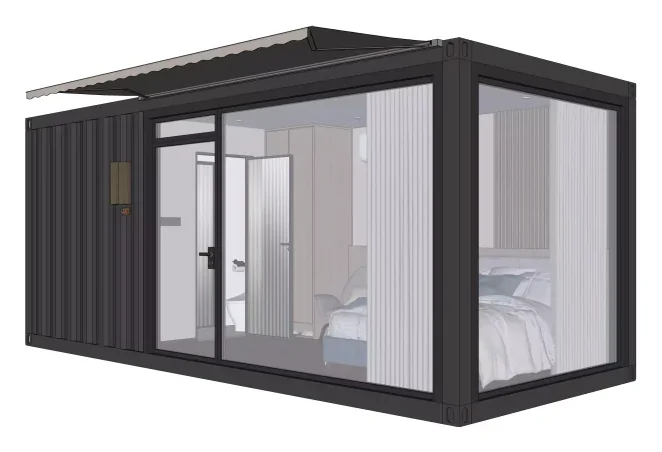
Our product families include several factory-built formats. Their names do not establish identical materials, expected life, or warranty terms. For a shortlisted container-format building, request the current material and assembly information, exposure assumptions, maintenance instructions, and written warranty scope applicable to that model.
Use our customization information to frame questions about finishes and interfaces for the destination. Any proposed change should be checked for maintenance access and compatibility as well as appearance. We do not assign one lifespan number to every product family; the relevant evidence must match the selected building and its conditions of use.
Conclusion
Modular home lifespan is a building-specific question. Evaluate the design assumptions, exposure, moisture control, supports, repair access, and maintenance responsibilities together. Written records and timely repairs are more useful to an operator than an unsupported universal year count. Keep structural assumptions, component replacement needs, and warranty coverage distinct when assessing ownership costs.
Frequently asked questions
Do modular homes have a fixed expiry date
The construction label does not establish one. Condition, specification, exposure, upkeep, and repairability determine the assessment of the actual building.
Is a warranty the same as expected lifespan
No. A warranty defines contractual coverage. Service-life assumptions describe performance expectations under stated conditions and need their own supporting basis.
What should an operator check first
Start with the supplied maintenance guidance and signs of water entry, drainage problems, movement, or damaged exposed finishes. Escalate concerning findings to qualified professionals.
Can an older modular building remain usable
Age alone cannot answer that. A competent condition assessment should consider structure, services, modifications, records, and the proposed future use.
Share your destination, exposure conditions, intended operating pattern, and preferred model. We can identify the product information needed for a durability discussion. Ask our team about your shortlisted building.